


Last Updated:
Every board member has a critical responsibility to manage and support the HOA Reserve Fund. Even when it seems impossible, discouraging, or outright unnecessary, its very purpose and best practices proves all of that wrong. Let’s peel back the curtain and see how HOA reserve funding is achieved with careful strategy and tools that work. We’ll cover real-life examples of two community associations – a townhome and a condo – so you can see how complete HOA reserve funding is done from start to finish, right from the experts!
What is an HOA Reserve Fund and How Should It Be Funded?
At its core, an HOA reserve fund is like a holding pot for the community used for collecting funds to offset ongoing deterioration of important common area components. A well-funded reserve fund minimizes the need for special assessments, stabilizes dues over time, and enables your community to handle expected easily.
An HOA should fund reserves by first identifying the major common-area components it is responsible for, estimating their remaining useful lives and replacement costs, evaluating the current strength of the Reserve Fund, and then adopting a Funding Plan that provides sufficient cash for anticipated projects. The plan should be updated regularly as component conditions, project timing, inflation, interest earnings, and actual costs change.
The examples below show how reserve funding decisions can differ between a 34-unit townhome association and a more complex 134-unit high-rise condominium.
How Should a Townhome HOA Fund Its Reserves?
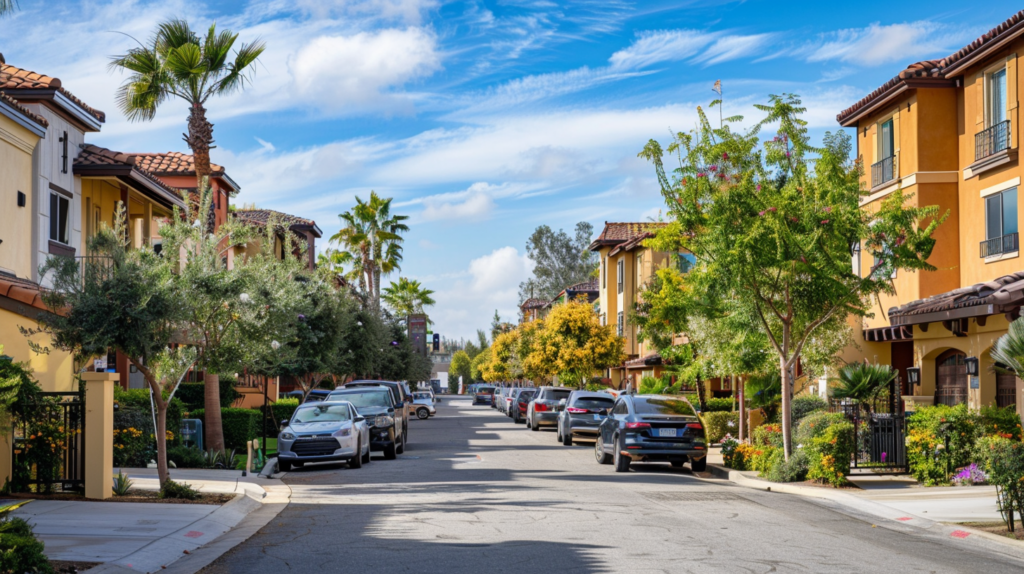
Let’s take a real 34-unit HOA townhome association, with 40+ years of history. The key to their approach is starting with a component list detailing each element’s useful life, remaining useful life, and current replacement costs. By setting up the plan, like executing asphalt repair and phasing out building painting, they effectively manage HOA reserves and minimize homeowner inconvenience.
On the board for a HOA townhome? Keep this in mind:
Reserve Studies are Necessary: A professional reserve study establishes the foundation for the best HOA funding plan by identifying and pricing out anticipated repairs for every reserve component, preparing you to have sufficient funds when needed.
Look at Project Significance: The significance table within your HOA townhome reserve study helps you see which projects have the greatest impact on your HOA reserve funding requirements. Focus first on common large projects (like siding, roofing, and asphalt surfaces).
Start Early, Be Proactive: Addressing reserve needs early avoids larger issues and financial burdens down the line for you and the other homeowners.
The Current Economy: Inflation, interest earnings, and changing project costs heavily impact reserve funding needs. Regularly review and adjust your condo HOA’s funding plan according to the current state of the economy.
How Should a Condominium HOA Fund Its Reserves?
Let’s look at the more complex 134-unit HOA condominium, featuring a rooftop pool, multiple elevators, etc. Their longer list of components requires even more careful planning and prioritization. Watch exactly how this association navigates unexpected expenses in the video above!
Here’s a few things you can take away from their HOA reserve fund management:
Reserve Fund Priorities: Identify and prioritize the crucial components (e.g., roof, elevators, pool) your HOA is responsible for maintaining. Not everything needs reserve funding (some small projects are done from the Operating Fund), so review your HOA condominium reserve study and consult your reserve study specialist to evaluate what should be prioritized.
Funding Flexibility: Don’t feel restricted to a 30-year timeframe. Phased out projects and adjustments can make the plan more manageable for HOA condo homeowners. The Funding Plan should reflect the actual needs of the property rather than treating every projected date as fixed.
Inspections Matter: Include essential inspections in your reserve plan, even if they’re not directly listed as maintenance responsibilities in your governing documents. Remember that you hold a duty of care to the common areas and the health of every structure, and professional inspections give you great insights into how your facility is aging.
Test HOA Budgets: Utilize tools like uPlanIt to model different funding scenarios and assess their impact on your HOA condo. Test your budget risk-free!
Long-Term Sustainability: Aim for at least a 70% funding level to be in the “Strong” range and minimize the risk of special assessments and ensure your HOA’s long-term financial stability. Don’t be tempted to simply meet the baseline funding requirement (just keeping your Reserves above zero) on your condominium reserve study, it carries the greatest risk. A strong HOA reserve fund protects your community from heavy financial hardship.
This 134-unit high-rise example illustrates how a more complex component inventory can affect reserve planning; other condominium associations may have significantly different responsibilities and funding needs.
How Does Reserve Funding Differ Between Townhomes and High-Rise Condos?
The reserve-funding process is the same in principle for townhome and high-rise associations, but the component mix and financial risk can differ significantly. A good reserve funding plan is not based on one universal percentage. The right reserve transfer amount depends on the association’s component list, current Reserve Fund balance, project timing, estimated costs, Funding Goal, inflation and interest assumptions, and desired margin for reserve cash-flow risk.

Key HOA Tools that Help Build a Strong Reserve Fund
Professional Reserve Studies
Regularly updated reserve studies are foundational, offering a roadmap for future expenses and guiding your HOA reserve fund strategy. National Best Practice is for a site-inspection-based update at least every third year, with low cost no-site-visit updates in the in-between years. Click on the button below to start your townhome or condominium reserve study!
Flexible Funding Plans
Tailor your approach to fit your community’s unique needs, like coordinating projects, phasing out when needed, and allowances for ongoing maintenance.
Prioritization of Projects
Focus on what matters most. Significant projects should be accomplished in a timely basis, not deferred.
Inflation & Interest Adjustment
Stay realistic about economic factors. Adjust your funding plan to account for inflation and seek out accounts that allow your HOA reserve fund to grow.
Homeowner Support
Share the process behind your reserve funding decisions with the rest of the community. Educated homeowners are more likely to support necessary dues increases or special assessments because they understand the reason behind it. The costs are driven by Mother Nature and Father Time, not you!
Managing an HOA reserve fund requires foresight, flexibility, and a commitment to the community’s long-term well-being. By creating strategic reserve funding practices for your HOA, prioritizing critical projects, and preparing for the reality of expected deterioration, your homeowners will find peace knowing that their home values are being protected. Remember, investing in your HOA reserve fund is investing in the well-being and sustainability of your community.