

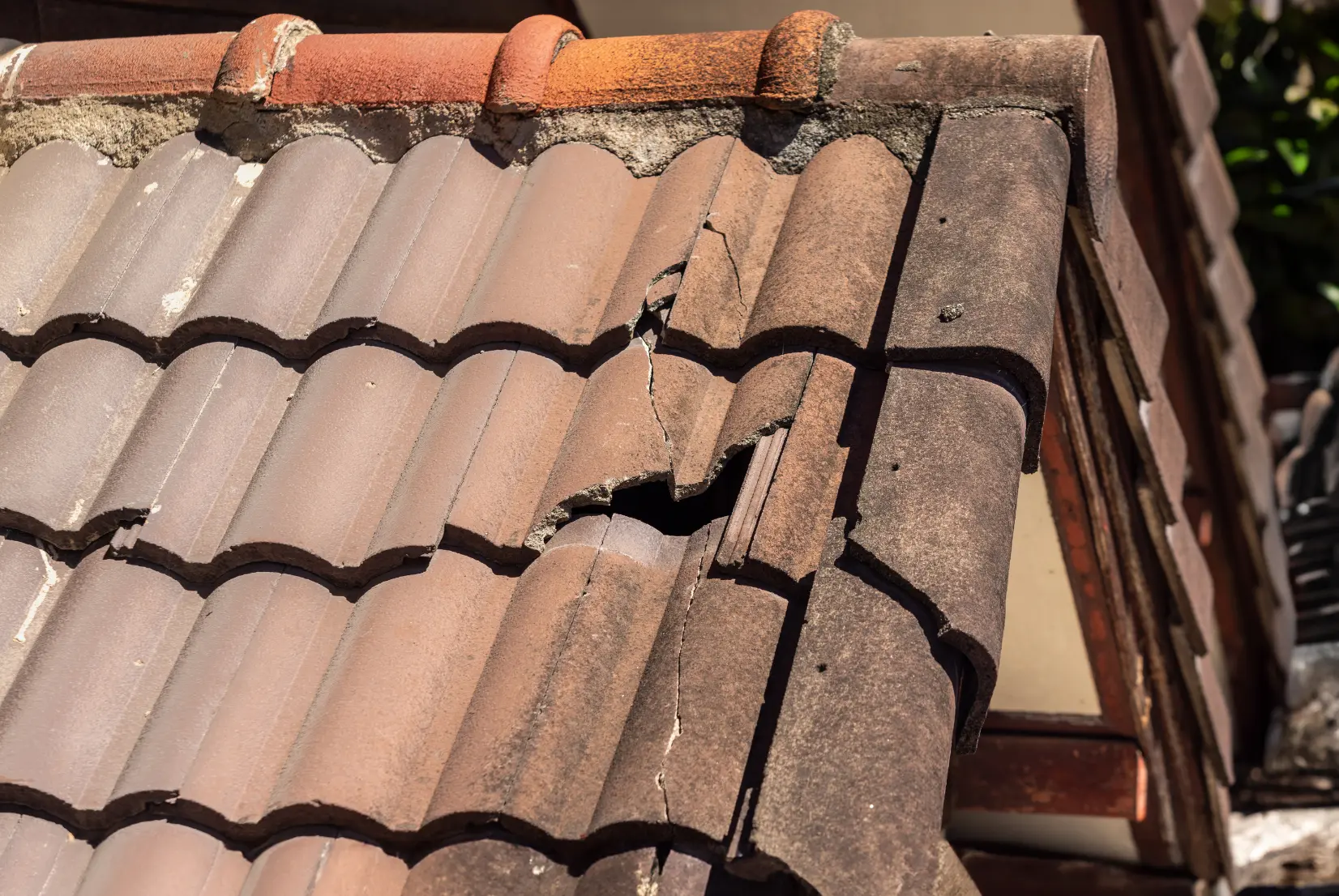

Preventive maintenance is the backbone of effective community asset management. It’s about addressing small issues before they turn into significant, costly problems. For homeowners associations (HOAs), incorporating preventive maintenance into reserve planning can make a dramatic difference by reducing costs, extending asset lifespan, and supporting financial stability.
While reserve studies traditionally focus on major replacements, integrating a plan for regular upkeep creates a more comprehensive and realistic strategy for managing an HOA’s physical and financial health. This article explores the importance of preventive maintenance, its relationship to reserve planning, and practical steps to ensure a proactive approach to asset management.
How does preventive maintenance support an HOA reserve study?
Preventive maintenance and reserve studies serve different but complementary purposes. A reserve study primarily plans for major common-area repair and replacement projects, while routine maintenance is often funded through the operating budget. Preventive maintenance helps reserve study projections remain realistic by supporting the expected useful life of major components. Used together, maintenance planning and reserve planning can reduce premature failures, deferred maintenance, and unexpected capital expenses.
Core Insights
- Preventive maintenance helps major components reach their expected useful lives.
- Reserve studies and maintenance plans are complementary, but they serve different purposes.
- Routine preventive maintenance is often funded through the operating budget.
- Vendor and inspection information can improve reserve planning assumptions.
- Consistent maintenance can reduce premature replacement and deferred maintenance risk.
Why Does Preventive Maintenance Matter for HOA Reserve Planning?
Preventive maintenance involves regular inspections, cleaning, and minor repairs that keep assets in good condition and help prevent premature deterioration. For example, resealing asphalt, cleaning gutters, or repainting surfaces may seem like minor tasks, but they play a vital role in extending the lifespan of roads, roofs, and building exteriors.
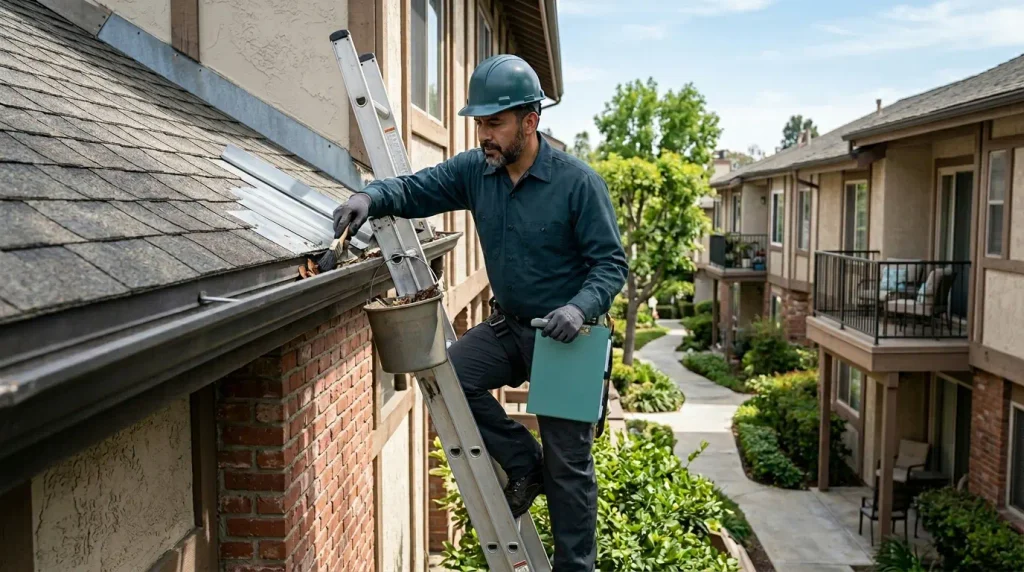
This proactive approach offers numerous benefits. Routine maintenance is far less expensive than emergency repairs or early replacements, and it maximizes the service life of the asset (stretching intervals between total replacement). For instance, resealing a parking lot every five years can prevent cracks from turning into potholes, delaying a costly resurfacing project. This type of proper upkeep ensures that shared assets last longer, lowering reserve funding requirements by providing more years to prepare for the next occurrence of a large project. A well-maintained community is also more attractive, maximizing property values by making the neighborhood a desirable place to live.
The Connection Between Maintenance and Reserves
Reserve studies focus on forecasting long-term financial needs for major repairs and replacements, such as roofing, pavement, and mechanical systems. However, these projections often assume that preventive maintenance is taking place. Without it, assets deteriorate faster, leading to unplanned expenses and financial strain that often means an unplanned special assessment. Actual component life can vary based on maintenance, climate, usage, installation quality, materials, and physical condition.
Consider a roof that is scheduled for replacement in 20 years according to the reserve study. Without regular cleaning of gutters or minor leak repairs, the same roof may fail after only 15 years, requiring an “early” replacement before all 20 years of Reserve funding had been collected. The same principle applies to other assets, such as asphalt roads or HVAC (heating, ventilation, and air conditioning) systems. Proactive maintenance helps keep these assets on schedule, perhaps resulting in the surprise that it is actually lasting longer than expected.
How Should Preventive Maintenance Be Incorporated Into Reserve Planning?
Incorporating preventive maintenance into your reserve plan begins with assessing the specific needs of each asset. Consult with professionals, including maintenance staff or your service providers, to determine recommended tasks, their frequency, and associated costs. For example, depending on the property, climate, materials, and contractor recommendations, an asphalt company might suggest crack sealing every two-three years and resealing every five years, while a roofer might recommend regular seasonal inspections and minor repairs after storms.
Preventive maintenance and reserve planning solve different parts of the same problem: maintenance helps components reach their expected useful life, while reserve funding prepares the association for the major projects that eventually remain necessary.
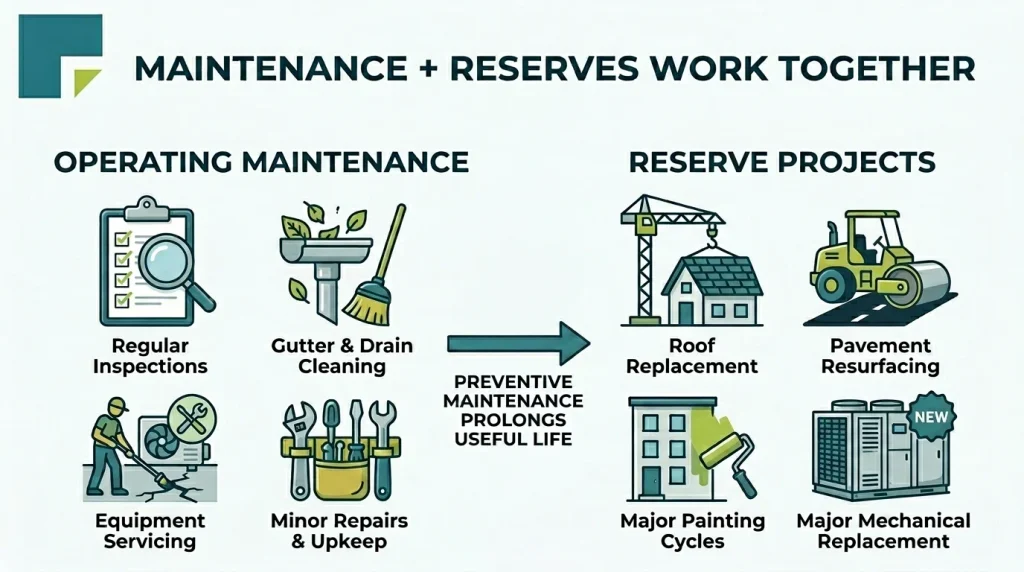
Once the maintenance requirements are identified, these costs should be included in the operational maintenance budget. While preventive maintenance tasks may seem small, their cumulative impact is significant. For instance, resealing an asphalt road every few years can dramatically delay the need for a complete resurfacing, saving thousands of dollars over time.
To ensure these tasks are completed on time, create a detailed maintenance schedule based on the reserve study’s recommendations together with manufacturer guidance, vendor recommendations, and inspection findings. The schedule should identify what work is needed, when it should occur, and who is responsible for completing it. Staying organized and consistent with this schedule is key to avoiding deferred maintenance that could lead to larger problems (and costs) down the road.
How Do HOA Boards Explain Preventive Maintenance Costs to Homeowners?
Homeowners may not immediately understand why funds are being allocated for preventive maintenance. Initially, it looks like an additional expense (cost). Some might view these tasks as unnecessary or question the use of assessments for what may appear as minor upkeep tasks (when the component still looks “good” to them). To build support, it’s important to communicate the long-term value of proactive maintenance – that preventive maintenance is an investment. It saves money in the long run.
In community newsletters or meetings, explain how preventive maintenance saves money and protects shared assets. For example, emphasize that regularly cleaning gutters or resealing asphalt can prevent larger, more expensive projects. Use relatable examples, such as:
“By resealing our parking lot every five years, we’re extending its life by 5 to 10 years, saving the community thousands of dollars in reserve funding.”
Sharing the cost comparisons between proactive and reactive approaches can also be effective. A chart showing the price of resealing versus repaving, or regular HVAC servicing versus replacing an entire system, can help make the case for preventive measures. You may even ask your Reserve Study provider to “run some numbers” based on projected Reserve funding with, or without preventive maintenance.
Why Are Contractors and Maintenance Professionals Important to Reserve Planning?
The effectiveness of preventive maintenance depends greatly on the expertise of those conducting it. Partnering with reliable vendors ensures that tasks are completed correctly and on time. Work with contractors who specialize in maintaining your specific assets, such as roofers who understand the local climate’s impact or asphalt providers who use high-quality sealants. Their insights can help identify potential issues early and recommend cost-effective solutions.
Vendors can also provide valuable input for your reserve study. By consulting with professionals during the planning process, you can include accurate estimates for maintenance costs and schedules. This collaboration ensures your reserve plan is both realistic and comprehensive.
What Does Preventive Maintenance Look Like in Practice?
The value of preventive maintenance is best illustrated through real-world examples. One HOA implemented a regular crack-sealing program for its roads, addressing minor issues annually. This effort delayed the need for a full repaving project by seven years, saving the association tens of thousands of dollars (well in excess of the cost of the crack-sealing program). Another community implemented regular inspections and minor repairs for its pool, including tile regrouting and filter maintenance. These proactive steps extended the pool’s life by five years, avoiding a premature replacement that would have strained the reserve fund.
These success stories demonstrate how small investments in maintenance can yield significant financial and operational benefits for an HOA. Preventive maintenance is an essential component of effective reserve planning. By addressing small issues before they escalate, HOAs can extend the life of their assets, save money, and maximize home values and overall community enjoyment for the owners.
Incorporating maintenance costs into your association’s operational budget creates a more accurate and actionable financial plan. It also positions your association to avoid costly surprises, maintain property values, and foster homeowner trust. Success begins with proactive planning. By prioritizing preventive maintenance today, your community can enjoy a well-maintained and financially secure future.